A Portrait of Machiavelli as a Young Chimpanzee

Almost 40 years ago, Frans de Waal published a book called Chimpanzee Politics that proved to be a gut punch to the pride of humanity. In it he surmises that human politics “seems to be a part of an evolutionary heritage we share with our close relatives”. So with this blog I wish to give you the knowledge and tools necessary to succeed as a young (primate) prince.

It’s All About Who you Know

Quarrels among Chimpanzees aren’t so much about brute force so much as they are about coalition building. Alpha chimps in Tanzania have been observed as giving away their food to their mothers and mates as well as males that are of middling rank in the group. This is in effort to shore up any future conflicts within the pack and create a constituency that helps them stay in power.

Rank and Power are not Synonymous

The book details a three year long saga that involves the overthrow of a reigning alpha (Yeroen) by a young upstart (Luit). After the coup Yeroen, left scarred from the encounter, forms an alliance with another lower ranking member named Nikki. With their combined might they depose Luit, but rather than taking back the throne Yeroen gives it to Nikki. This surprise move codified the alliance and served as a reward to Nikki who was then alpha, yet Yeroen being cunning as he was, managed to retain all of the privileges of being the alpha with none of the risk. When Luit challenged Nikki, Yeroen backed the old king and kept his privileges in the new administration. This cycle of playing both sides continued until Nikki saw what was happening and killed Yeroen. Shakespeare would be proud.

Seize the Means of Bananas

In a cashless society like that of the chimpanzee the currency of power translates to sex and food. Alphas chimps have a monopoly on both but in the interest of holding on to power they are obliged to redistribute the wealth, so to speak. Power in the realm of Chimpanzees is determined by the troop, so if the masses feel as though they are being treated unfairly they will revolt. An effective leader will determine the needs of their people and (literally in some cases) scratch their back for the obligation of the return.
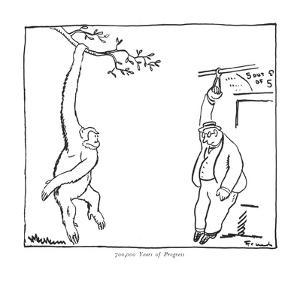

Source: New Yorker Magazine

How to Lead the Next Generation

March 3, 2021

Written by Malik Joseph

My parents taught me from a young age that everyone has a place in this world. No matter where you originate from or what you do for a living, you have the right to live and prosper just like anyone else. Life isn’t like Mario Kart where everyone starts on the same racetrack. Some tracks might be a one lap breeze, while others have you driving on a winding rainbow-colored road in the middle of space. Therefore, it’s crucial that we instill the next generation with tips to navigate life with confidence and more direction.

If we all do our part, we can assure that the next generation will develop the skills to 1) not only continue the productive groundwork we have laid down, but also 2) build on top of what we have for the better. To help with this, I want to relay some of the advice I’ve picked up along the way.

One of my most fond memories of high school was running the 4x400m relay. I was often coaching (and learning from) the younger runners.

1) Consider the Age Gap

Whether you’re coaching your younger sibling on dribbling a basketball, or mentoring a student on Newton’s Laws, or even helping a teammate learn a baton exchange in a relay, you must remember that they are younger than you and are most likely hearing about this subject/activity for the first time.

2) Develop Patience

Everyone moves at different paces, but remember slow progress is still progress. You might often become frustrated with your apprentice but learning to be patient will serve you well. Rome wasn’t built in a day.

3) Respect Goes Both Ways

Nobody will test you like a young teen who has nothing to lose. They are fearless. You must give respect to receive it. Ask yourself what you’re getting out of this mentoring experience and what they are. Reassure yourself that you’re in the position to give advice.

In high school I served as a M.A.C. (Minority Achievement Committee) Scholar. Here I am posing with some Juniors in the program during my Senior Ceremony.

4) Be Real

People can usually sense when they are being lied to/deceived to. Don’t sugar coat. Being polite while being honest sets a great example.

5) Celebrate the Small Victories

By remaining encouraging and giving props to small accomplishments you will boost their morale, helping to open them up. They will remember the small stuff even if you don’t, so celebrate it.

As long as we can consider the age gap, maintain patience, demand respect (both ways), commit to honesty and celebrate the small victories, we will greatly help those looking up to us.

A Year Ago: Advice for my Pre-Pandemic Self

March 3, 2021

By Basia Marotta

We’re only days away from the phrase “a year ago” being blasted throughout the media. March 6. A year ago, 21 passengers on a California cruise ship test positive for COVID-19. March 11. A year ago, DePaul announces a virtual spring quarter. March 13. A year ago, Trump declares COVID-19 a national emergency. 

Early March 2020, all of our lives changed. That’s obvious. For me, these changes altered my learning environment, social life and overall health. 

Saying goodbye to the city as I leave on Lake Shore Drive.

A year ago, I moved from Chicago to Nashville, left behind friends and transitioned all of my school and work commitments to a virtual setting. If I could go back and give myself advice, I’d say this:

Go outside.

Nashville is a new place for you, so go explore. You’ll be happy to hear there are multiple running trails to choose from. Run through the woods. Run by the river. Run in circles on the abandoned airplane runaway. Just don’t run to your room after Zoom class to take a nap. 

Don’t work in bed.

Though your posture looks fine in Zoom, your back is going to thank you when you start sitting at a desk. Considering you’ll be at home 24/7, establish different spaces for work and non-work. Trust me. It’ll help you focus. 

You don’t need a new hobby every month. 

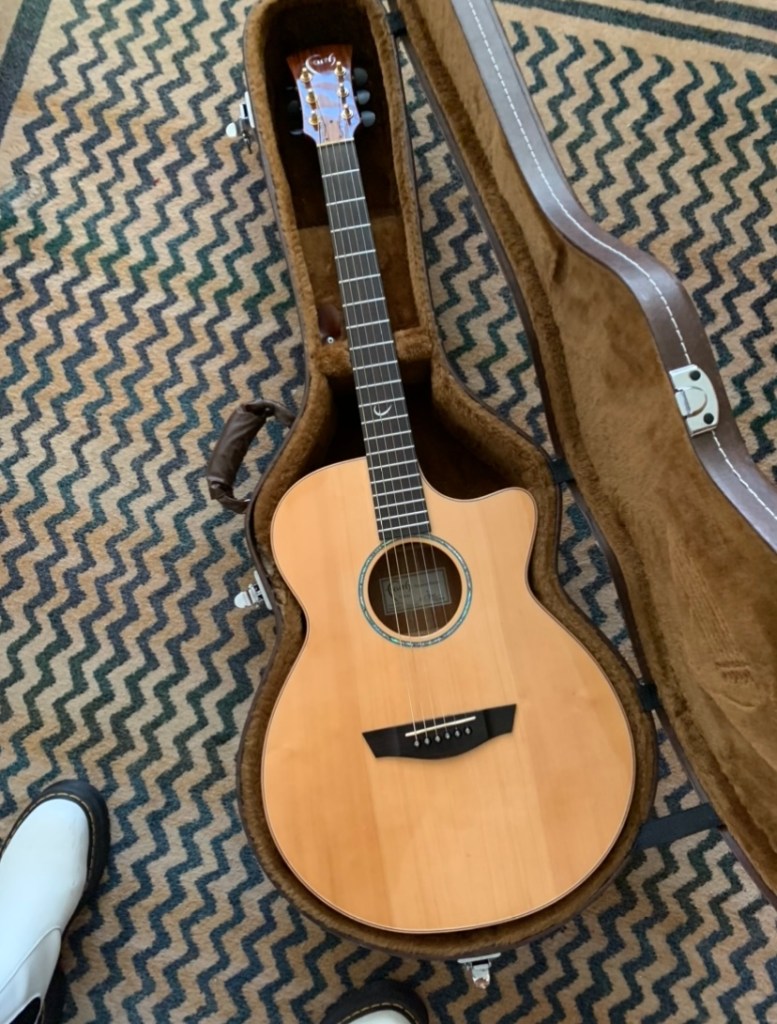
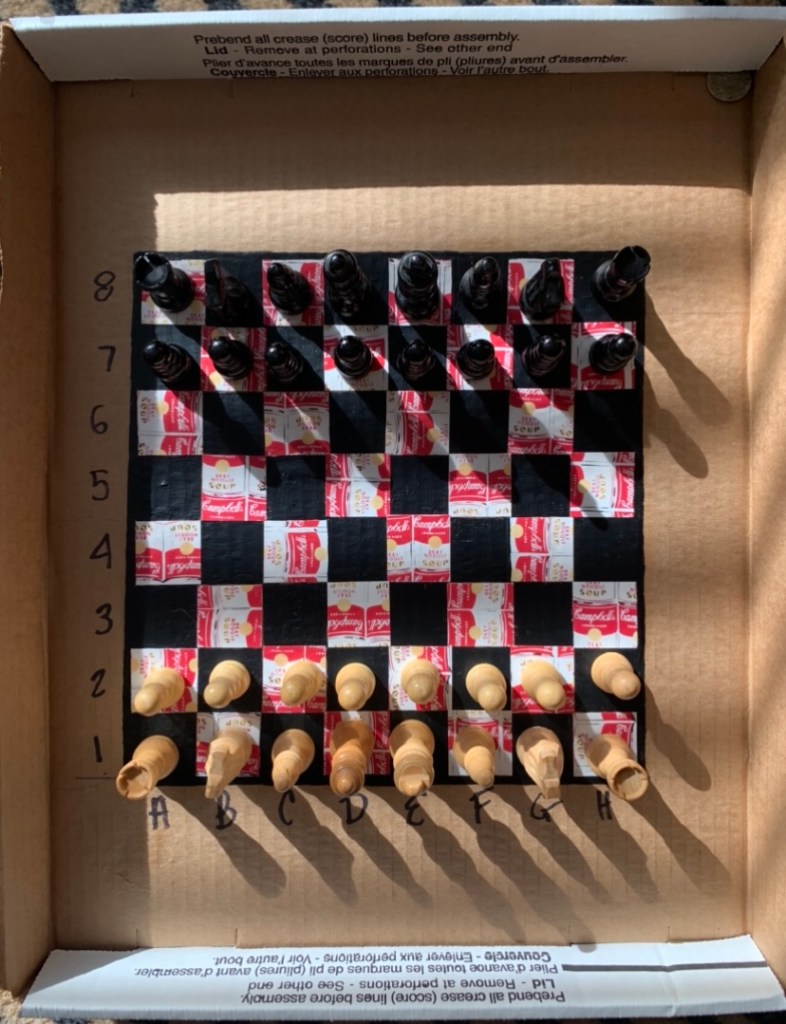
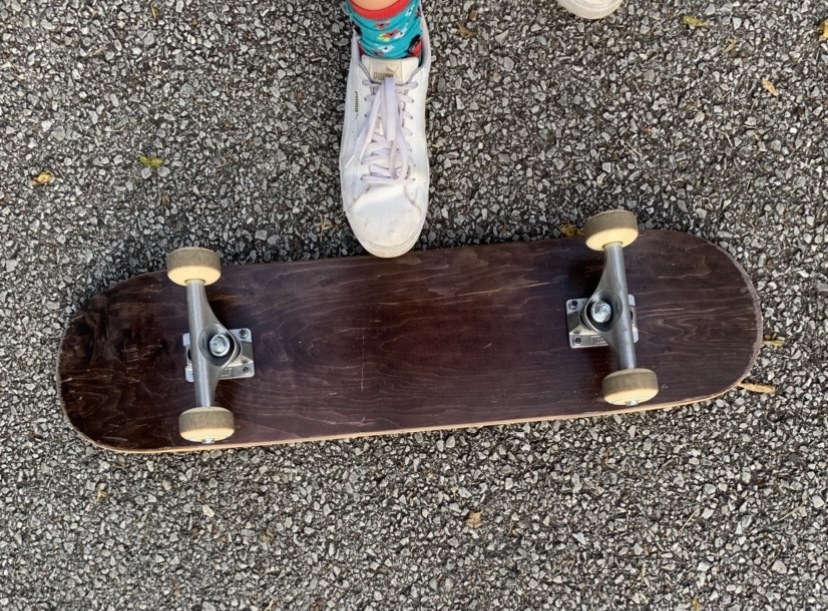
I get why you’re doing it. Zoom fatigue is real, and it’s difficult. A year in, you’ve bought a skateboard, guitar, dumbbells, a chess set. There’s no more space in your room. Your bank account will thank you if you home in on one hobby to master. 

Talk with your friends.

I know. Looking at a screen to talk to a friend is the last thing you want to do after spending the day looking at a screen for school and work. To put it bluntly, you’re lonely. Connect with your DePaul friends, even if it means staying on the computer for another hour. It will provide you a feeling of connectedness, in a time when you are distant from loved ones. 

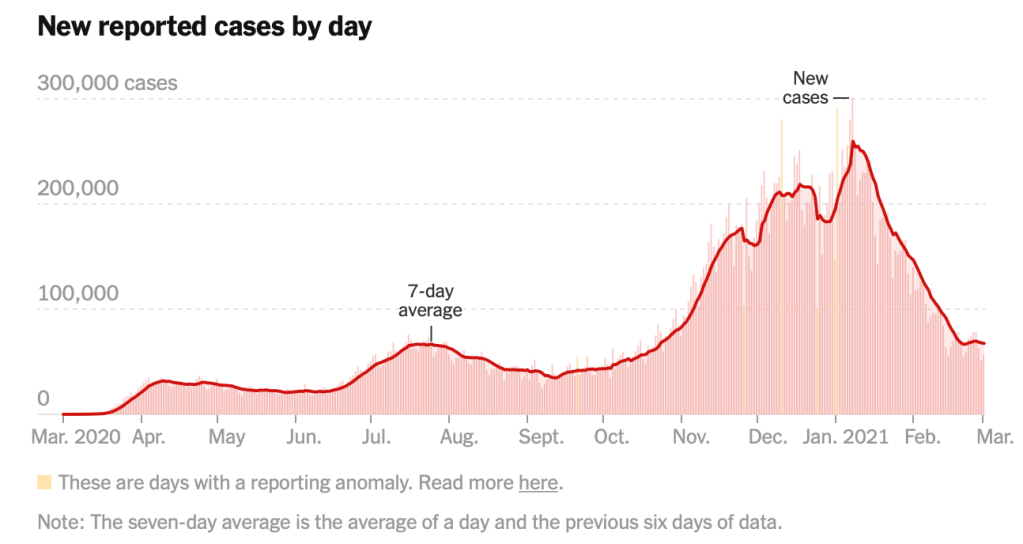
A year later, the virus is still around. Not all hope is lost, though. The “new daily COVID cases” graph made a steep drop at the start of 2021, thanks to the vaccines.

Graph from the New York Times

Normal life will be back just in time for you to start your post-grad career. Best of luck in 2020. You’ll need it.

###

Should I Do This Now? Or…

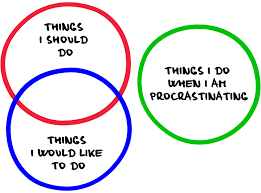
There comes a moment in everyone’s life where they have a choice to make between completing a task right away and waiting until the very last moment. This phenomenon is called procrastination.

Hi, my name is Addison, and I’m going to tell you some experiences I have had with procrastination and give some tips to help overcome this invisible barrier. I happen to know a thing or two about procrastination, the doctors said I would be born on July 30, 1993, so naturally, I waited until 11:59:59 p.m. to be delivered. I have perfected my ability to time out how long an assignment will take and complete it with just seconds to spare. It is a gift and a curse.

My time in the military has made me exceptional at time management. As my leadership used to say, “15 minutes early is on-time.” However, for some reason, this only applies to being on time for an event, work, or class. My military job was to be a training non-commissioned officer (NCO). I was behind the scenes organizing ranges, ammunition, and weapons. Being on-time is a non-negotiable, but when managing the ranges, ammunition, and guns, we always seemed to wait until the last possible second.

Procrastination

What is procrastination? It is voluntarily delaying a task and doing so against our own better judgement. Procrastination is impressive because it is entirely irrational for us to do. We voluntarily wait to do something even though we know doing so is terrible? Yes, and unfortunately, emotions and evolutionary changes cause procrastination.

Emotions

Charlotte Lieberman of the New York Times says procrastination is a way for humans to deal with emotions. Emotions like boredom, anxiety, insecurity, frustration, self-doubt, and many more can cause us to procrastinate. Dr Pychyl, a psychology professor at Carleton University in Ottawa, said, “Procrastination is an emotion regulation problem, not a time management problem.” So, in short, we now know procrastination is not related to our inability to manage time, but it is related to our inability to control our moods and emotions. The empty hole that we create when we procrastinate only becomes larger the more we procrastinate.   

Evolution

For centuries we have been programmed to complete our short-term tasks before our long-term. Procrastination and impulsivity are genetically linked. As the Association for Psychological Science puts it, impulsivity makes sense, our ancestors needed to seek short-term rewards because the next day was uncertain. If we are impulsive, we lose sight of the long-term goal. Conflict avoidance is a better way to understand the genetic disposition of procrastination. As Sharad Paul MD says, “The genes progressed down generations because these people were still holed up in caves fearful of predators [saying], ‘My tools are not sharp enough. I better spend more time perfecting this spear.'”

Solutions

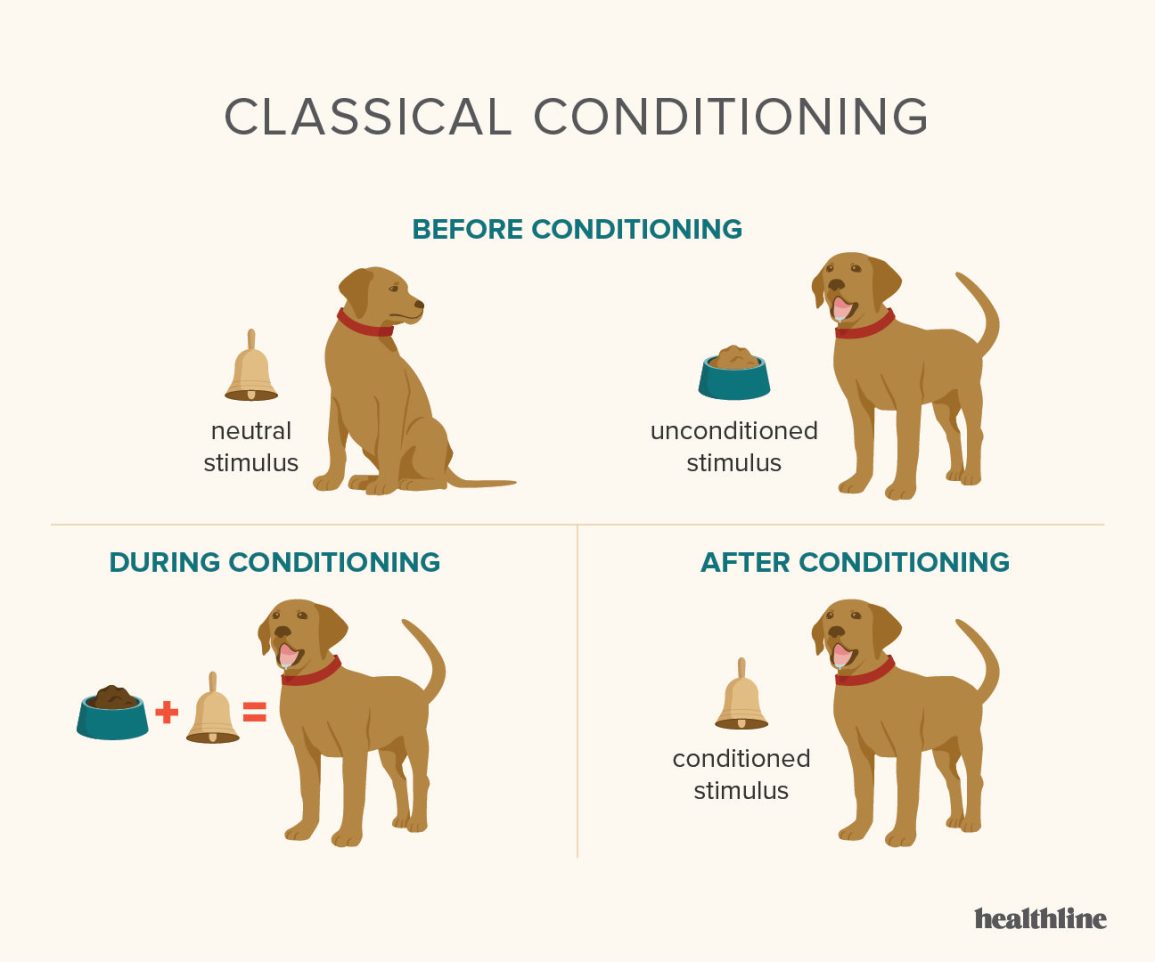
  • Rewards: reward yourself like a puppy when you complete a task. The larger the job, the greater the reward. You will be ringing the bell to go potty in no time.
  • Divide and Conquer: By splitting up larger tasks into smaller ones, you eliminate the dread of completing SO MUCH WORK.
  • 10-minute rule: spend 10 minutes performing a task; once you finish the 10 minutes, take a break and then do 10 more minutes until you are satisfied.
  • Make a “To-do” list: create a list of everything you need to accomplish and check off as you go; the shortening list will give you a confidence boost leading up to the larger tasks.
  • Routine: set a daily routine; start by making your bed. It is a small task, but it is easy and builds confidence moving forward with jobs the rest of your day.

What did we learn today?

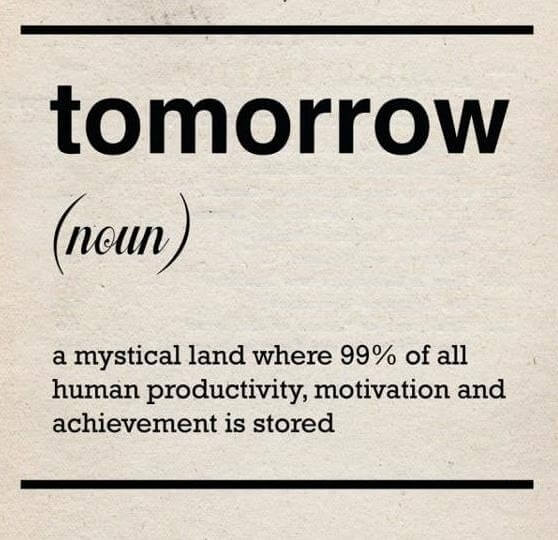
Procrastination sucks, I know, but we all do it, and it is manageable. Our genetic disposition provides a link to how often we meander through projects. Genetics only take us so far; if we have a lower genetic tolerance, our emotions will take over. Fear not; there are ways to mitigate procrastination, like the five mentioned above. They say it takes 30 days to create a new habit, get after it. I was not born at 11:59:59 p.m., but thinking of jokes curbed my procrastination on this piece.  

A Brief Look Into Cochlear Implants

One blog post isn’t enough to explain all the complexities of life with bilateral cochlear implants, but it can act as an introduction. Cochlear implants are devices in which people experiencing severe to profound sensorineural hearing loss can use to regain some hearing. They consist of two main parts. The receiver is surgically implanted underneath the skin behind the ear and stimulates the auditory nerve with a series of electrodes. The transmitter is the exterior piece. It has the microphone and speech processor, so it picks up sounds and sends them to the transmitter.  The two communicate through magnets which connect through the skin.

These are a look at what the transmitters (left and right) and receivers (center) look like.

That’s the basic science behind cochlear implants. I currently have two, one for each ear. My implants are something I have to think about constantly. I have to make sure my batteries are charged, that I’m looking at people when they speak to me, that I’m aware of my surroundings in case I miss something, and so on. My daily life is different because it has to revolve around my implants because I rely on them to communicate. Even my alarm clock is different- it vibrates my mattress to wake me up in the mornings.

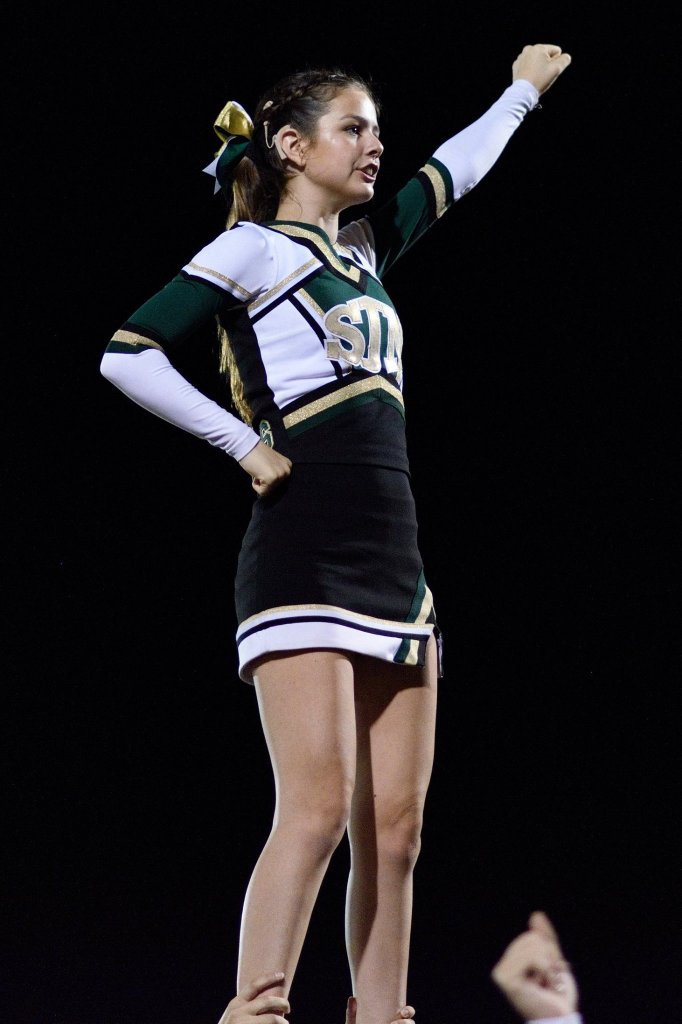
This is me in high school on my cheer team. If you take a close look at my ear, you can see one of my cochlear implants.

*Fun Fact: I slept through a sonic boom that resulted after a NASA launch.

Deafness is a big spectrum, and this is just where I happen to land on it. Cochlear implants are much more complicated than what I can fit here. I’ve even written several essays on this topic, so condensing it is difficult. I hope I’ve been effective in educating you and that you leave this with a more nuanced understanding of what it’s like to live with cochlear implants.

Definitions:

  • Cochlea: a cavity in the inner ear where the nerve impulses are produced as a reaction to sounds
  • Bilateral: affecting both sides
  • Speech processor: This is where the microphone of the transmitter sends the sounds. It acts as a computer, programming the sounds to be sent to the receiver.
  • Sensorineural hearing loss: There are two main types of deafness, sensorineural and conductive. Sensorineural means there is an issue with the nerve pathways in the inner ear. Conductive means there is a physical barrier, preventing sounds from reaching the inner ear. Only the former type of hearing loss qualifies for cochlear implants.
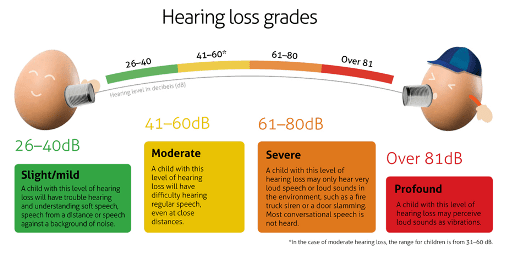
  • Severe to Profound: There is a scale of hearing loss that measures the range of decibels a person can hear. Only people who fall under the severe to profound categories qualify for implants.

Sleep When You’re Dead, or Just Wake up Earlier

Hello Sunshine!

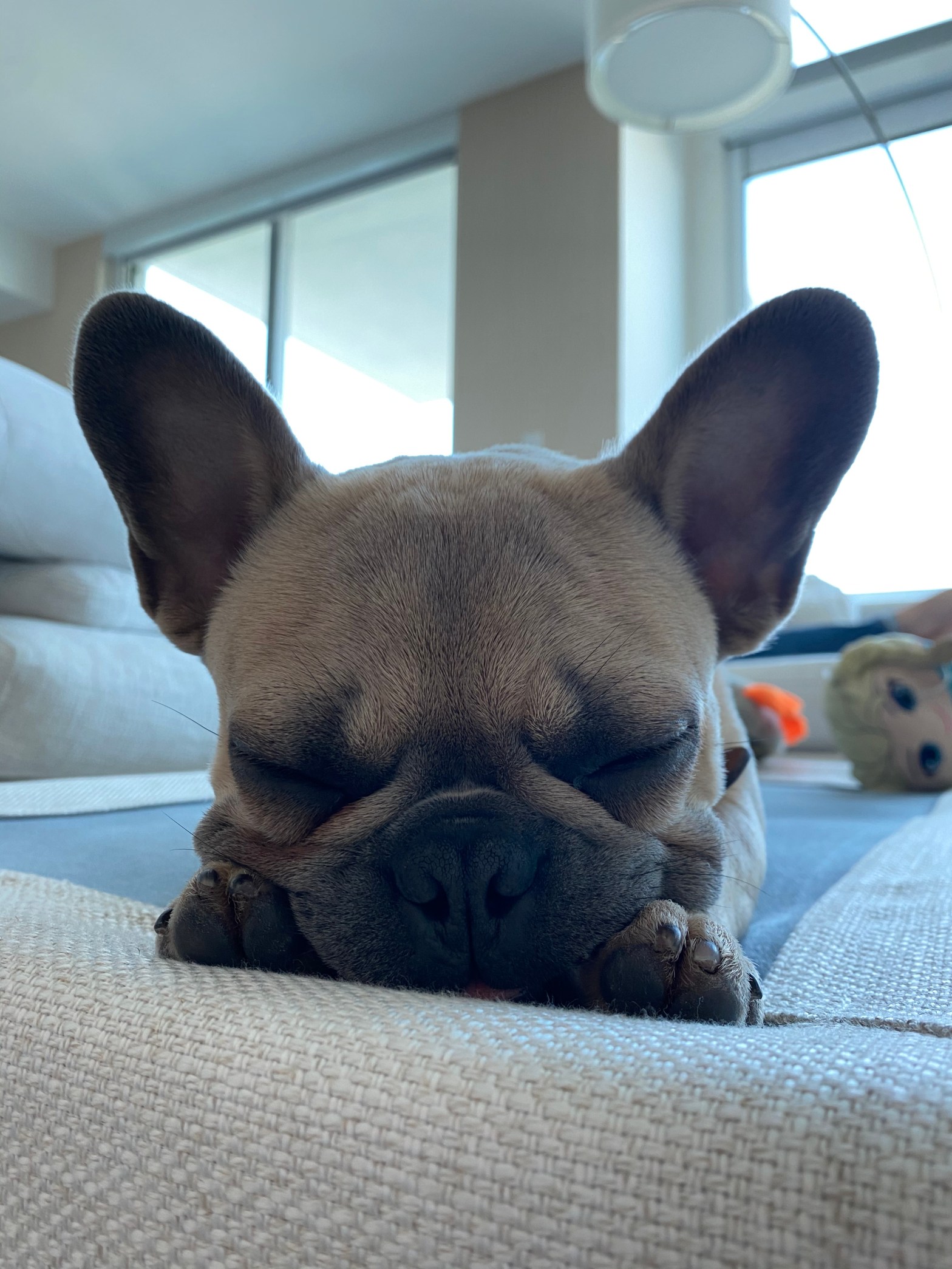
In September of 2020, I moved from Chicago to Miami with my boyfriend, Adam, and our French Bulldog, Reggie. My previous sleeping routine was a practice where I put myself to sleep no earlier than midnight each evening and hid under my covers as late into the morning as my schedule would allow. Since the move, my sleeping routine has evolved to fit a “Floridian-lifestyle,” which involves waking up at sunrise and getting to bed not long after sunset. I have discovered that even though I am awake for the same number of hours per day, the early morning start and not missing any time while the sun is up, makes my days feel longer and more productive.

It’s All in the Details.

Each morning I wake up around 5:30 am, start the coffee, take Reggie out for a quick walk, open up my laptop and begin working by 6:00 am. Once my coffee kicks in, my freshly brewed productivity catapults me through my homework and oftentimes, drives me to get ahead. When my boss sends me new work, I am immediately available and can spend as much time as necessary on each task without worrying about getting behind on my homework. The best part about waking up early and getting all of my work done is that by noon every day, I am free. Sure, some days are busier or more time-consuming than others, yet more often than not, I find myself with my own time and am no longer chasing time.

Choices > Excuses.

Many may argue they are not morning people. As someone who was not previously a “morning person,” I no longer require an alarm clock. I assure you it is a choice that depends entirely on whether you are willing to change your body’s sleep schedule. Waking up at sunrise will remain constant in my life because I get more work done, I have more energy, and it feels as though I have more time each day. I highly recommend you make the change, but that’s entirely up to you.

Word Count: 356

Fake It ’til You Make It: How to Convince Anyone You Can Cook

By Hannah Boardman

Learning to cook is a daunting task, and the rise of celebrity chefs and fancy cooking shows isn’t helping relieve anyone’s apprehensions. What most people don’t realize, however, is that cooking is actually really easy. You can convince anyone (most importantly yourself) that you can cook by following three easy steps.

The first step is finding self-confidence. If you expect yourself to fail, you will. While it seems like a simple concept, reminding yourself that you are capable makes a huge difference. This doesn’t mean that you won’t make a few mistakes, but that is normal. Even the best chefs mess up sometimes; Julia Child often made mistakes on her popular cooking show. Making mistakes doesn’t mean you can’t cook; it just means you’re human.

Me baking cookies, circa 2014 when I started learning to cook.

Next you must follow your instincts. Recipes are full of subjective language (“…when the crust is golden brown,” “…when the onions are translucent”) and imprecise timing (“…8-11 minutes”). For beginners, this can be frustrating. How golden is the crust supposed to be, and what does translucent even mean? Why can’t they just give me a specific time? When you start to get overwhelmed with questions, take a deep breath, and let your instincts take over. Channel your inner Remy from “Ratatouille”, and just do what feels right. You will be surprised by how much you knew subconsciously.

The final trick to becoming a good cook is to have fun. When you have three pans on the stove and something else in the oven it can get stressful, but it doesn’t have to. Take a step back and remind yourself that cooking is what you make of it (no pun intended). Improvise and make things easier on yourself. Leave out the mushrooms if they will take too long to cut and make part of the dish ahead to reheat right before you eat. If you start to feel stressed it is important to recognize where the stress is coming from and combat it, rather than giving up.

With the right mix of confidence and instincts cooking can be fun and easy. The more you practice, the better you will become. Soon, you won’t even be faking it anymore, you will just be making it! Good luck, and bon appetite.

Crying in Front of Kali Uchis

My first time seeing Kali Uchis was in January of my freshman year with my two closest friends. At the time, Por Vida was the only EP the Colombian-American had released. The following year, Kali Uchis released Isolation, her debut album. Isolation is a moving album that reflects Uchis’ independence and growth from past relationships. The album includes hit songs, such as “After the Storm” featuring Tyler, the Creator & Bootsy Collins. 

Kali Uchis has one of the most beautiful, soothing voices I have heard live, so I HAD to go! Some of the songs Uchis performed included “Miami,” “Killer,” “Gotta Get Up,” and she closed the show with “After the Storm.” If you watch any of the videos I recorded from the concert, all you can hear in the back is me yelling. The beginning of “After the Storm” starts with heavy rain and thunder sounds, then jumps into the drumbeat before the lyrics begin. 

Once she sang the chorus, I burst into tears! My friends looked at me shocked. When I heard Uchis sing, “So if you need a hero/ Just look in the mirror/ No one’s gonna save you now/ So you better save yourself,” all these emotions hit me at once. I was so overwhelmed; I just had to cry. 

Afterward, my friends and I were hype from concert adrenaline. We decided to wait outside of Uchis’ dressing room with the hope of meeting her. Although it felt like a genius idea in the moment, a line had already formed. We waited outside for at least an hour and a half huddling in the cold. We went back and forth on whether or not we were going to stay because we were freezing and hungry. 

We stayed, and Uchis eventually came out. Everyone swarmed her, and you could tell she was overwhelmed. I was trying to squeeze through people to get a glimpse at her. Uchis looks over at me and waves her hand for me to come forward. Once I was standing next to her, I felt another rush of emotion and blurted out, “I just have to say that I love you, and when you performed ‘After the Storm’ I literally cried.” She looked at me like “What?!” 

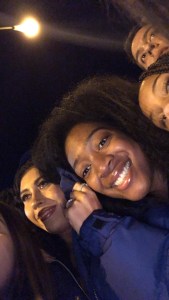
Asabea and Kali Uchis after Concert

They gathered all the fans for a group picture then she left for her tour bus. I was in shock after the concert. I could not believe that I got that close to Kali Uchis. Then after everything settled in, I was so embarrassed that I word vomited in front of Kali Uchis. At least I got a cool story out of it!

Copyediting in the time of COVID-19

.

Ok, so everybody needs a proofreader!

During this public health crisis, the experts tell us we need a routine.

Here’s mine:

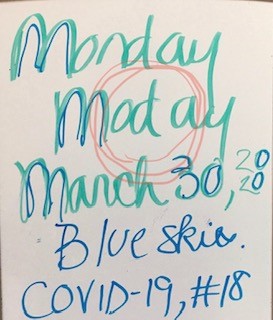
Every morning I wake up, make a pot of coffee, and then post the date and a little weather report on the family whiteboard.

Sometimes I try to be clever with song references, like today: “Monday, Monday … (can’t trust that day)” lyrics I knew would evoke The Mamas and the Papas 1966 classic, and that my husband Dave would get it.

I headed to my attic office for the first of three conference calls.

Then I received his text: “Guess everyone needs a proofreader.”

Oops!

And it got me to thinking, do typos really matter during a pandemic? I asked Dave, my original co-editor, and he said, “Yes, now more than ever.”

Immediately I thought about the classic lesson on why commas count:  

               “Let’s eat, Gramma!”

                              vs.

“Let’s eat Gramma!”

Which, for lack of a single comma, would have us cannibalizing our beloved Gram. Terrifying even in ordinary times.

But do typos and their relatives really matter? Everyone’s busy, distracted, bored, and worried. Do we have the energy to fully copyedit and proofread our work right now?

As I launch my spring quarter classes online, I asked a couple of writing pros what they thought:

  • “In these difficult times, the most important commodity any company or media outlet has is trust. If you can maintain your normal editorial controls and create prose that’s as close to perfect as possible, you avoid jolting the reader away from that trust. Sure, they’ll give you a break on typos right now — they know it’s a stressful time for you, too — but why risk it?” – Josh Bernoff, author of Writing Without Bullshit and blogger at https://t.co/eGxx9m3E79.
  • “The vast majority of students I work with leave their writing to the last possible minute, which usually means they don’t have enough time for editing or proofreading. But failing to plan for those two tasks is like failing to plan for a pandemic. It leaves you in a terrible situation, where you’re scrambling against all odds. Instead, write as quickly as you can — ignoring the rules of spelling and grammar. Then, spend twice as much time (as you did writing) editing and then proofreading your text. Writing will be a whole lot more enjoyable. And your final product will be so much better.”  – Daphne Gray-Grant, The Publication Coach, daphne@publicationcoach.com
  • “Let’s compare doing our best as writers to the broadcast journalists reporting from their homes right now because they can’t be in the newsroom. Are they showing up in front of their iPhones and webcams with bed hair and wrinkled clothing? No. They look just like they do in the studio because they’re professionals who respect their viewers, and they show that by continuing to do the best work possible. As writers, we owe this to our readers, too. Relaxing your work environment by writing from home rather than from a busy outside office doesn’t mean relaxing your professional standards.” – Sandra Beckwith, freelance writer, author, and book marketing coach. https://sandrabeckwith.contently.com/

So, whether you are writing for a school assignment or a client, consistency of message and clarity of style still matter to your professionalism and your credibility. Take the time, make the time to copyedit and proof thoroughly. This is your brand in good times and bad.

Word count: 558

Jill O’Mahony Stewart teaches writing workshops for professionals to help them sharpen their style and communications effectiveness. At Career Transitions Center of Chicago  she conducts a workshop called “Compelling [and Creative] Cover Letters.” She also teaches writing for public relations at DePaul University’s College of Communication. @jillostewart